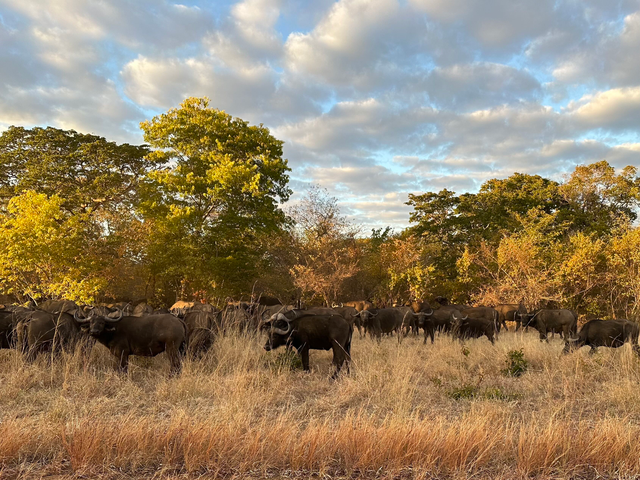
Wildlife Report: Winter 2024 (May – July)
Western Zimbabwe’s subtropical climate makes for glorious winters – the months of May, June and July are characterised by warm, sunny days with little, if any, rainfall. Early morning and nighttime temperatures can certainly be
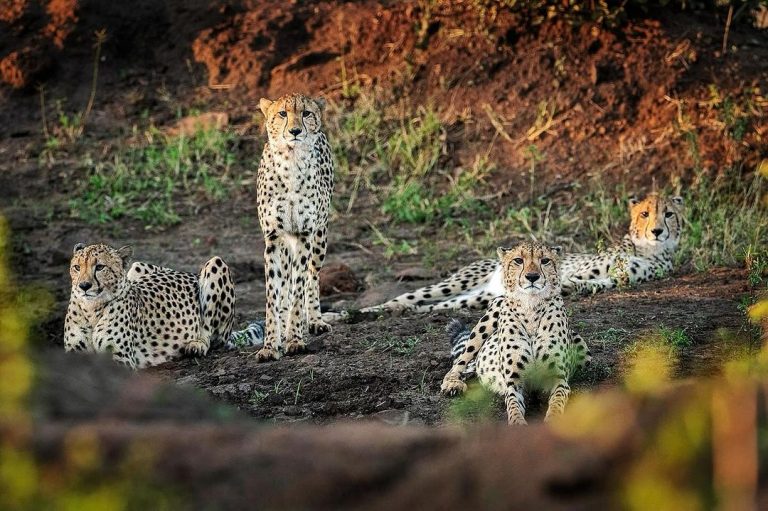
Wildlife Report: Autumn 2024 (February – April)
Whether you’re a summer person or a winter person, the end of the warmer months always holds an element of sadness; days getting shorter and cooler, trees becoming bare and migratory birds making the journey
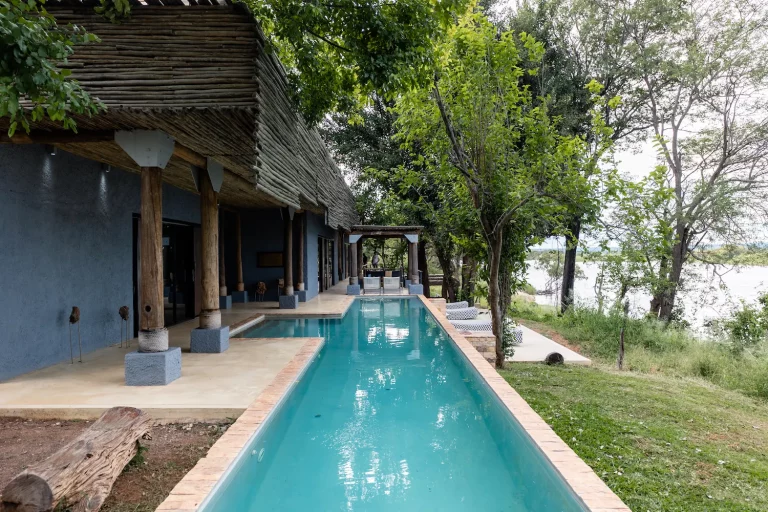
Wildlife Report: Summer 2023-24 (November – January)
“Rest is not idleness, and to lie sometimes on the grass under trees on a summer’s day, listening to the murmur of the water, or watching the clouds float across the sky, is by no
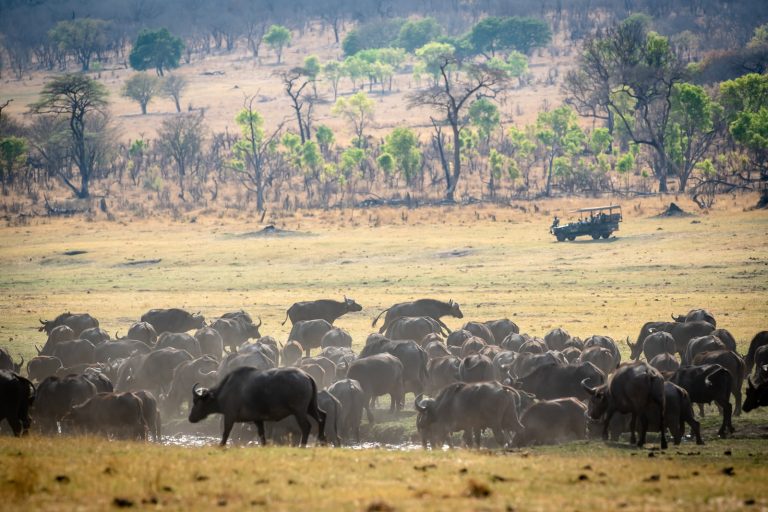
Wildlife Report: Spring 2023 (August – October)
In most parts of the world, Spring implies a slow thawing of the winter chill accompanied by longerdays, soft breezes and an abundance of colourful blossoms. In our beautiful corner of northwesternZimbabwe, we tend to
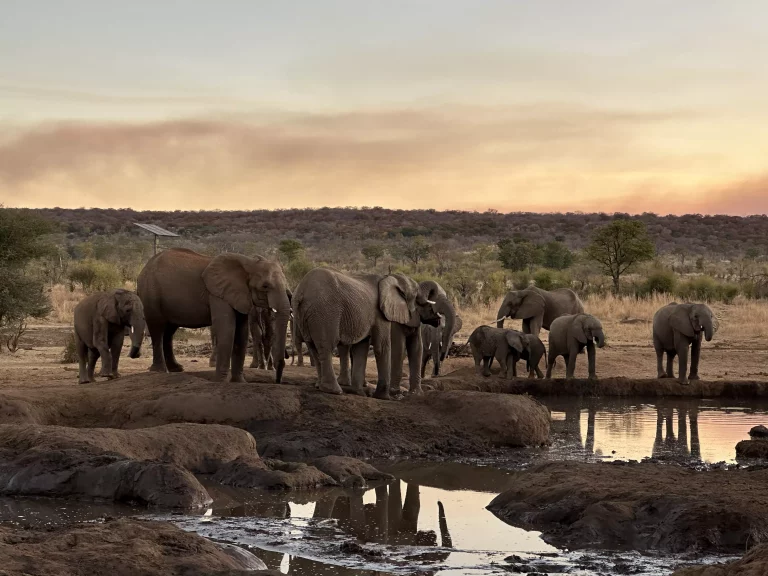
Wildlife Report: Winter 2023 (May – July)
Winter arrived quietly this year, taking longer than usual to settle in as autumn seemed set to enjoy an extended stay in this part of Zimbabwe. We were fortunate to enjoy balmy daytime temperatures throughout
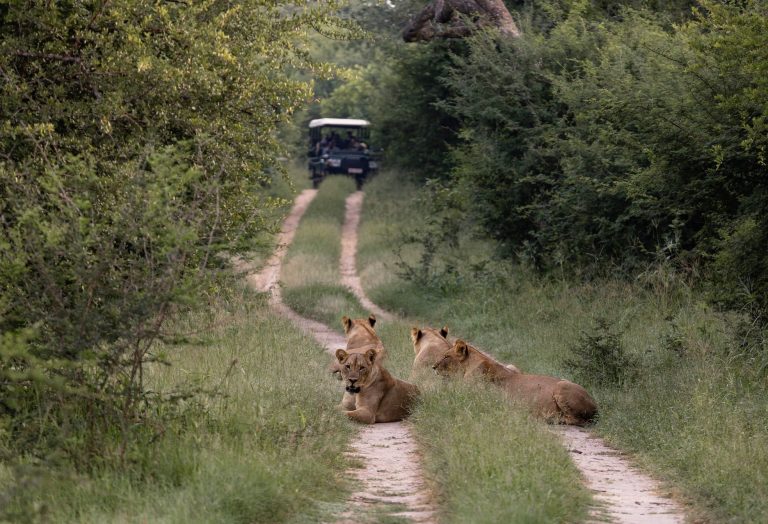
Wildlife Report: Autumn 2023 (February – April)
We often say that Victoria Falls is a year-round destination, with different experiences to offer at different times of year. We are reminded how true this is as we reflect on the approach of autumn
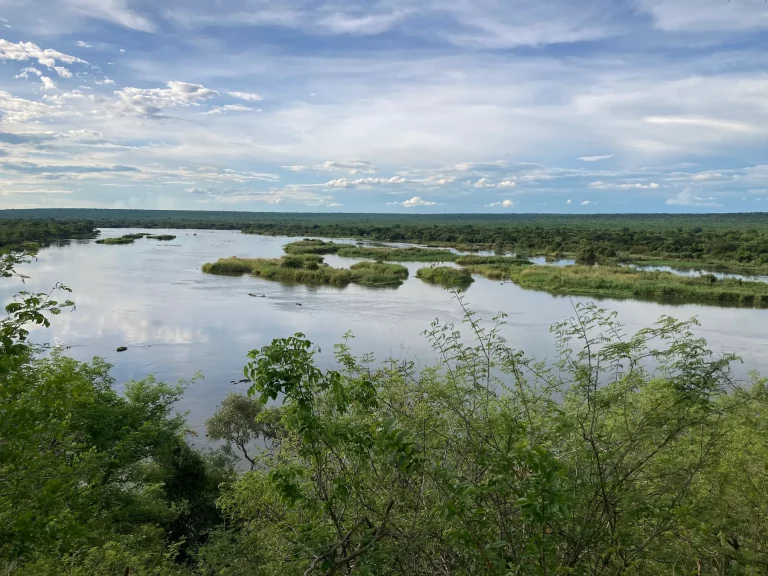
Wildlife Report: Summer 2022-23 (November – January)
“And so with the sunshine and the great bursts of leaves growing on the trees, just as things grow fast in movies, I had that familiar conviction that life was beginning over again with summer.”
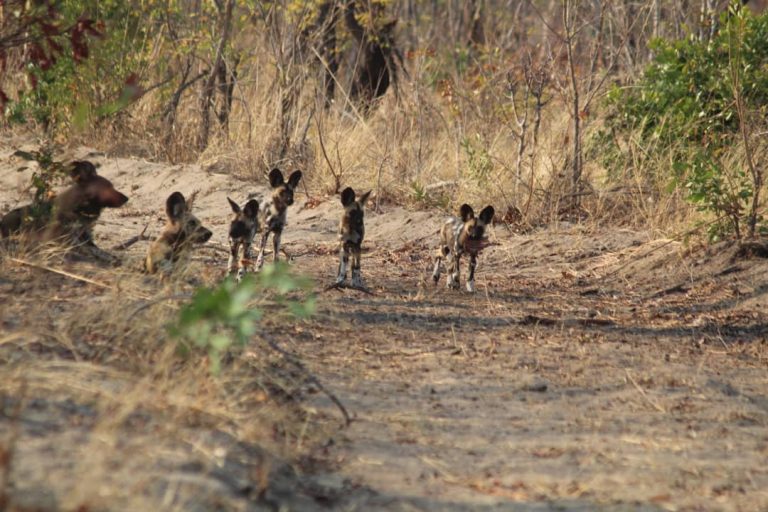
Wildlife Report: Spring 2022 (August – October)
Spring is a time of change at Matetsi Private Game Reserve, as winter begins to loosen its grip on the landscape and the new season brings with it life-giving rains, steadily rising temperatures and the
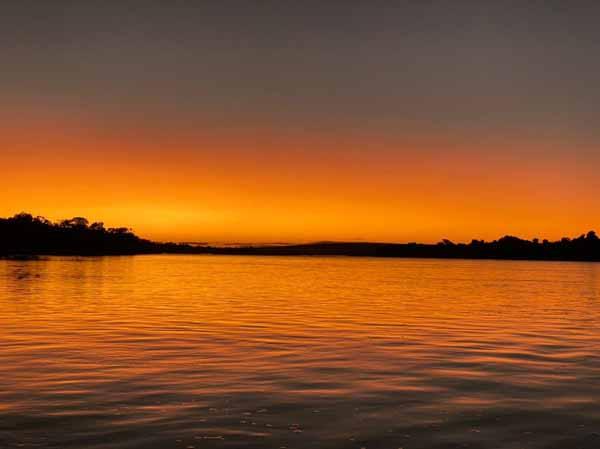
Wildlife Report: Winter 2022 (May – July)
Sitting down to write this report at the beginning of August, we find winter in its final throes here in Zimbabwe; the days are starting to get just a little bit longer but it remains